Personal protective tools maintains work relocating and workers risk-free, yet it likewise creates a stubborn waste stream. Single-use handwear covers and garments accumulate, budgets balloon with constant reorders, and sustainability goals stall under the weight of mixed materials and biohazard concerns. A round PPE program alters the equation. Instead of treating PPE as non reusable, you design a system that revolves gear through cleansing, repair service, risk-free recycling, and verification, with clear checkpoints for when a thing's useful life absolutely ends.
I have actually established and investigated several programs throughout labs, food handling, progressed manufacturing, and logistics. The very best outcomes didn't originated from a fancy pilot or a solitary supplier guarantee. They came from mindful layout in 3 domains: plans that are specific and enforceable, individuals who understand the why and the exactly how, and processes that track the flow from purchase to retirement. When those three interact, you see reduced invest, fewer stockouts, much better security conformity, and measurable environmental obligation. You likewise win back rack room from half-open glove boxes and untracked returns.
Below is a useful guide to building this kind of system, with a focus on PPE gloves since they are typically the most extensive and costly line product. The very same strategy fits sleeves, garments, and some sorts of face protection, with adjustments for material and threat category.
Start with the threat map, not the catalog
A circular program prospers or stops working on danger clearness. Glove cleaning and PPE gloves recycling are viable only if contamination threats are categorized and managed. The typical error is to press a solitary "environment-friendly" solution throughout all departments, after that get stunned by a safety hold or a top quality audit.
Walk the floor and identify workspace into zones that determine what's eligible for reuse, cleansing, or reusing. In a biopharma plant, as an example:
- Green zones manage ambient materials, mechanical assembly, and nonhazardous fluids. Nitrile gloves and sleeves from these locations can often be collected for cleansing or product recovery via a round economic climate design. Yellow zones consist of low-to-moderate risk operations like incoming QA, specific product packaging lines, or upkeep in controlled locations. Right here you can permit handwear cover cleansing with stringent tracking, surface area residue testing, and batch segregation. Red zones entail active pharmaceutical ingredients, bloodborne pathogens, or solvents that make polymer recovery hazardous or noncompliant. PPE from red areas goes to controlled waste. No exemptions, even if the product looks clean.
If you're in food processing, change the focus. Focus on irritant transfer and pathogens, not solvents. In electronic devices, believe ESD performance and silicone contamination, not microorganisms. The point is the same: map the threat, after that let that map drive eligibility policies. The best programs are specific on this, publishing zone maps and signs that employees can recognize at a glance.
Choose materials with completion in mind
A round PPE program starts at purchase. You have more take advantage of than you believe if you use it early. Talk with vendors about glove polymer kinds, fillers, and finishings. Not all nitrile is equivalent, and additives can make complex product recovery. Latex has various destruction accounts than nitrile. Covered knit handwear covers include a textile component that can be cleaned up several times prior to the hand covering fails.
For frequent-handling tasks where mastery matters, a resilient nitrile blend with abrasion resistance typically outlasts cheaper options by 2 to 3 times. Also if device cost runs 10 to 15 percent greater, overall spend can go down since you are cleansing or reusing them five, six, in some cases 8 cycles depending on the application. Track loss rates, tear rates, and end-of-life failure modes. Your purchase spec must consist of both defense performance and circular performance.
If you prepare to utilize a third-party program such as Libra PPE Recycling, confirm compatibility. Ask for acceptance criteria by SKU and material. Ask for an example cycle: send a little batch via their cleaning or material healing line, then test returned gloves for fit, tensile stamina, and surface residue. Your quality team will certainly trust a program they've seen under a microscope, not simply in a brochure.
Policies that hold under audit
Policies need teeth and clarity. Vague support like "return used gloves to containers" produces contamination, damaged products, and miserable quality supervisors. Compose instructions that read like a SOP: specific, testable, and short enough that a line lead can educate from them in five minutes.
State specifically which gloves are qualified for return, where they are gone down, exactly how they are landed or boxed, and that possesses the chain of custody. Tag collection containers by zone and by change. This tiny information matters. Mixing shifts in one container often damages set traceability, which is an issue for both Cross-contamination prevention and for confirming qualification for cleaning.
Set policy limits. As an example, prohibit returns with visible splits, chemical messing over an established score, or contact with particular irritant courses. When a worker needs to guess, they will certainly surrender garbage or, worse, toss it right into the wrong stream. Use images on signs. A handful of images beats a paragraph.
Build in a high quality retreat hatch. If a receiving technology sees something off in a returned batch, provide a rapid technique to quarantine and rise. Usual flags consist of off-odor suggesting solvent uptake, ugly surfaces from plasticizer migration, or sticky contamination from labels. The objective is not to catch every flaw at the return container. It is to enable a quick quit prior to the batch contaminates the rest.
People: the modification lives or passes away here
Workers respect safety and security and time. If a round PPE process feels slower or riskier, involvement collapses. Good programs remove friction. Location return containers where workers already throw away consumables. Make them very easy to open up with a gloved hand. Post a brief, clear indication: "Green zone gloves only. No splits, no oils. Decrease cuffs first." That a person sentence cuts arranging mistakes more than a memorandum ever will.
Train supervisors initially. They bring the casual power to make or break fostering. Give them talking points that attend to real anxiousness: Will I lack handwear covers if a set obtains turned down? Are cleaned up gloves uneasy? Suppose someone presses a red area product right into the wrong container? Outfit them with solutions and a straight get in touch with at EHS or the vendor.
Respect the sensory responses. People notice if a cleaned handwear cover feels glossy or powdery, or if it scents strange. Don't reject it. Run spot examinations and invite feedback right into your acceptance criteria. If the cleansing line leaves a residue that workers dislike, collaborate with the vendor to change the rinse or drying account. Adoption enhances when individuals feel heard, and it enhances more when the handwear cover on their hand really feels right.
Finally, line up motivations. If a group strikes a decrease target for new glove usage without any uptick in safety and security events or flaw leaves, commemorate it. Small rewards develop momentum much faster than mandates.
Processes: design for flow, not heroics
Design the circulation from point of use to factor of reuse or recycling. The easiest convenient loophole defeats an excellent but breakable one.
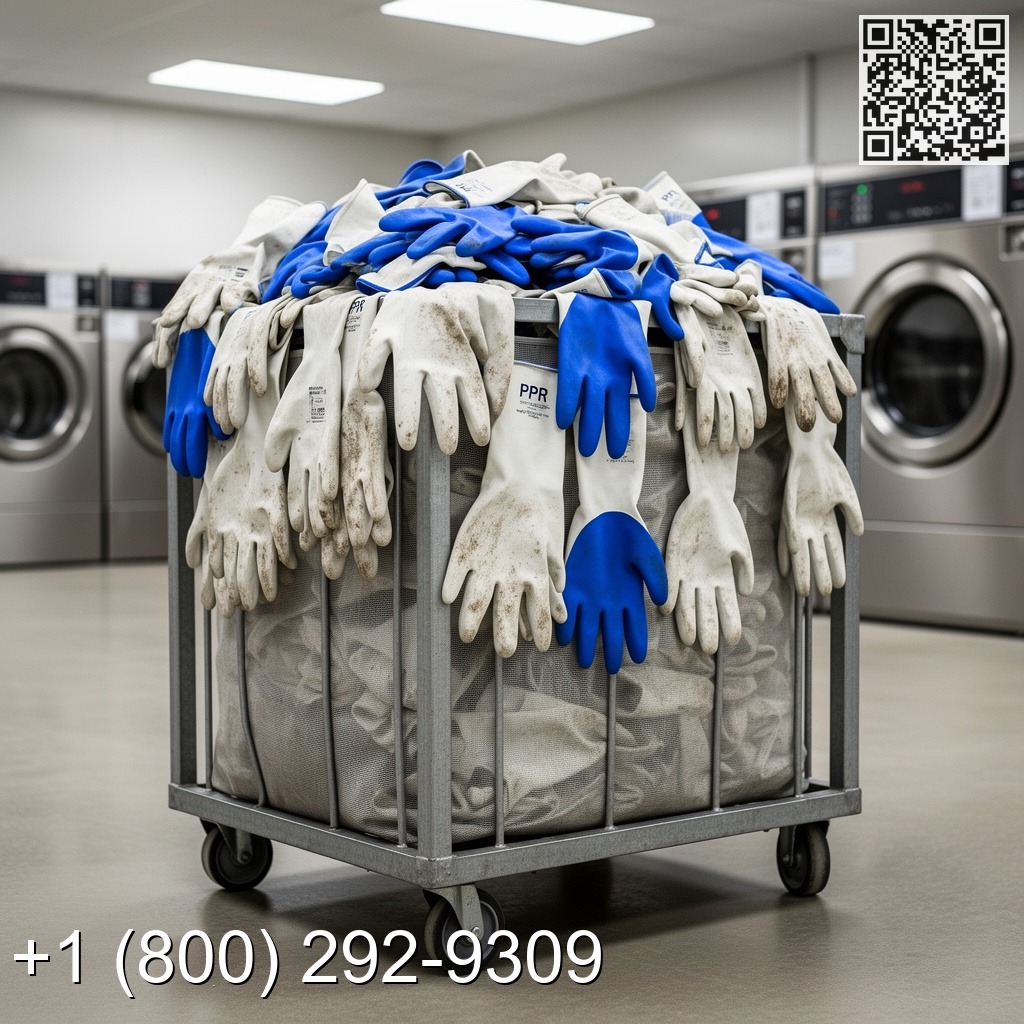
Collection: Use inflexible, color-coded containers with linings matched to zones. Put covers on springtimes so they close instantly. QR labels on containers help track fill date, area, and shift. Don't depend on handwriting that smears.
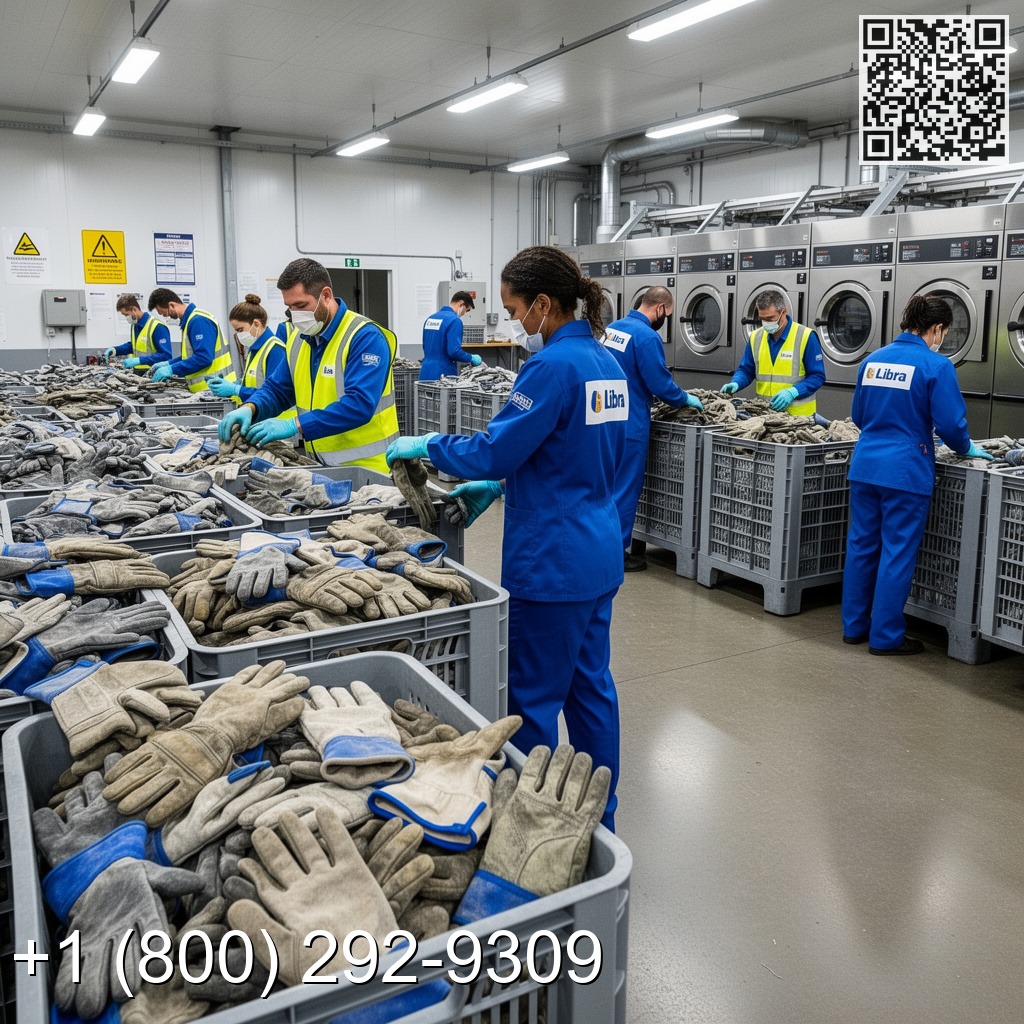
Sorting and loan consolidation: Establish a little hosting area where bins are checked and secured. The individual that seals the container approve the zone and problem, which preserves traceability. If you work with a companion like Libra PPE Recycling, straighten your staging schedule with their pickup frequency so full containers never ever sit enough time to raise smell or moisture concerns.
Cleaning or preparation: If you clean in-house, treat it like any type of other validated process. Define laundry chemistry, temperature levels, cycle counts, and dwell times. Check water high quality monthly. Blind-sample sets for ATP deposit or solvent traces, depending upon your danger account. If a third party takes care of glove cleaning, demand their SOPs and recognition information. Ask what they do with declines and just how they track your material back to your site.
Redistribution: Returned handwear covers should return to the best areas. Mark containers with a big, unmissable zone code. Rotate stock so earlier cleaned up sets go out initially. Keep recently purchased handwear covers in reserve for red areas or when cleaned up supply dips. A blended method smooths irregularity and prevents panic orders.
End-of-life and recycling: Approve that not every handwear cover will live nine lives. When a batch fails visual, odor, or residue checks, divert it. If it's qualified for material recovery, send it to a recycling stream that accredits mass equilibrium. Otherwise, guide it to controlled waste. Paper the end result so your sustainability reports reflect reality, not wishful thinking.
Tackling cross-contamination without reducing work
Cross-contamination prevention has two halves: maintain poor things out of clean streams, and prove that you did. The very first fifty percent counts on physical controls and human variables. The second fifty percent counts on documents and test data.
Physical controls consist of zone-specific containers, secured liners, and basic hints like flooring tape or bin colors. Human variables consist of training and a consistent rhythm. I've seen programs stumble due to the fact that containers sit 30 feet from the workstation. Relocate them within arm's reach, and accuracy jumps.
On confirmation, pick quick examinations you can run weekly without blocking the line. If food allergens are your issue, swab a small arbitrary sample from cleaned sets and run fast ELISA examinations. In laboratories, ATP screening on handwear cover surface areas provides a quick proxy for organic residue. For electronics, run ESD efficiency checks on cleaned up great deals to confirm charge decay remains within specification. Release these mini-results internally. Individuals rely on a process they can see.
Measuring ROI without pc gaming the numbers
A circular program requires a strong company instance. A simple ROI calculator helps, however only if you feed it truthful inputs and look past acquisition cost. Consist of:
- Avoided acquisitions: Compute the reduction in new glove intake. If you cleaned 20,000 handwear covers and the ordinary handwear cover would certainly have been made use of once, that's 20,000 less brand-new systems. Readjust for turns down. A conservative approach presumes 10 to 20 percent loss in very early months, tightening as the procedure stabilizes. Cleaning and logistics expense: Count per-unit cleaning costs, interior labor for arranging, containers, liners, and transport. If you make use of Libra PPE Recycling or a similar service, consist of pick-up costs and any type of registration charges. Waste disposal financial savings: Drawing away qualified handwear covers from managed or landfill streams lowers weight-based fees. In pharma and healthcare facility labs, regulated waste can run 3 to 10 times the price of typical garbage. Even a moderate diversion pays off. Quality and safety and security: Track incident prices, audit findings, and any flaws linked to PPE. If cleaning up introduces no new issues and you maintain audit readiness, that is a genuine financial hedge. On the other hand, if issues climb, deal with that as a cost and deal with the origin cause. Soft gains: Room redeemed from mass boxes, fewer emergency situation orders, and smoother supply turns. These won't carry the business instance alone, however they matter under functional stress.
When designed cautiously, I've seen repayment within 4 to 9 months, with annual cost savings between 12 and 35 percent on handwear cover invest. Results vary by contamination profile and throughput, but the flooring is commonly https://www.librami.com/contact higher than anticipated when disposal savings are included.
Data that matters, and the dashboards that do n'thtmlplcehlder 108end. Resist the temptation to construct a dashboard woodland. Focus on four or five metrics connected to actions you can actually take: New glove acquisitions per 1,000 labor hours, by zone. Return price of eligible PPE from eco-friendly and yellow zones. Cleaning return: percent of returned handwear covers accepted for reuse. Safety and high quality occasions connected to PPE, aiming for absolutely no correlation instead of absolutely no incidents. Recycling diversion rate for gloves that fail cleaning but get product recovery. Tie these to once a week standups. When the cleansing return dips, go see the bins. When return rate stalls, check if the container place changed or signs diminished the wall. When acquisitions spike, validate shift protection and stock rotation. Keep the underlying records audit-ready. If an exterior auditor asks how you recognize a handwear cover set came from an eco-friendly area and passed requirements, you ought to have the ability to show a chain of protection from bin QR scan to cleansing set ID to redistribution carton. Practical selections about handwear cover cleaning
Glove cleaning isn't just "wash and hope." The chemistry and technique depend on polymer kind, soil, and appropriate residue limitations. For nitrile, a moderate nonionic cleaning agent with a controlled rinse cycle protects tensile toughness. High warmth breaks down nitrile much faster than individuals expect, so enjoy drying out temperature levels. For covered fabrics, prevent hostile solvents that strike the hand coating or remove grip representatives. Cycle counts issue. A lot of nitrile gloves that are thick enough for reuse can take care of 3 to 8 cycles prior to flexibility diminishes, depending on usage instance. Maintain a reference chart by SKU with tested cycle limitations, then adjust as your data grows.
Not whatever ought to be cleansed. If you take care of cytotoxic drugs or unstable organics, cleaning for reuse might not be defensible. In that case, jump directly to a validated recycling or power recuperation course. The factor of a circular economic situation version is not to compel reuse in all costs. It is to prolong useful life where risk-free, and recuperate materials where reuse is not safe.
Integrating a companion like Libra PPE Recycling
Third-party partners can carry a chunk of the load. A supplier such as Libra PPE Recycling offers collection, handling, and qualification that gloves met eligibility standards for recycling or reuse. When vetting any partner, ask for:
- Material acceptance listings by SKU and polymer. Evidence of purification or pre-processing actions tailored to your threat classes. Documentation for chain of guardianship, set IDs, and mass-balance accounting. Residual screening records post-cleaning, including microbial or chemical displays where relevant. End-market disclosures, a minimum of by group, so you recognize if material ends up being playground surfacing, brand-new commercial items, or various other polymers.
Audit when face to face when possible. Nothing replaces seeing exactly how bales are arranged, what happens to denies, and exactly how blended products are taken care of. If a supplier hesitates to show the flooring, that is a red flag. Your ecological cases depend upon their efficiency, and public examination on PPE recycling has actually honed. Better to run a smaller sized, defensible loophole than a large, nontransparent one.
Inventory and procurement alignment
A circular program adjustments how you get. Instead of buying flat cases based on past consumption, you forecast by net brand-new need. That indicates you require to understand the amount of cleansed devices you will certainly get back next week, and the number of will certainly be drawn away to recycling. Build a simple two-bucket model: clean returns expected and new purchases needed to cover the gap. Over time, the clean return container should handle a larger share of need in eco-friendly and yellow zones.
Set reorder factors that take into consideration cleansing turnaround. If pickup is once a week and handling takes four days, intend a buffer that covers a minimum of one cycle hold-up. This is where several groups stumble. They assume perfectly smooth flows, after that a holiday week tosses them into stockout. Keep a book of brand-new PPE for crucial tasks, and rotate it so it doesn't age out in storage.
Don't fail to remember dimension contours. Workers will certainly not endure wearing the incorrect size just because the cleaned set returned manipulated. Track size distribution of returns and purchases. If you see a consistent mismatch, readjust collection messaging and storage so prominent dimensions do not obtain mixed into the wrong zone.
Worker approval: handle the "ick" variable head-on
Some teams wait at the concept of using a cleaned glove. The response is human. Solve it with transparency. Label cleansed sets plainly, include a small card with the test results that batch passed, and allow employees to opt for brand-new gloves in early weeks. When the convenience and efficiency suit, most individuals switch over without fuss.
Address skin sensitivity. Also trace residues of cleaners can bother a tiny percentage of customers. Run patch tests with volunteers, tweak the rinse cycle, and supply obstacle lotions where ideal. If a certain cleaner sets off reactions, change it. The goal is not to win a debate regarding chemistry, it's to maintain hands comfortable and protected.
Compliance and documentation
Regulatory frameworks vary. In medical care, OSHA and CDC advice intersects with state regs and facility plans. In pharma, cGMP expectations drive paperwork. In food, FDA and third-party systems like SQF or BRC press stringent irritant controls. Whatever the context, align your round PPE program with the strictest applicable requirement.
Document the boundaries: which zones permit cleansed gloves, which do not, and why. Document your acceptance standards and your test strategy. Maintain supplier certifications up to date. If you declare recycling, maintain mass-balance reports or downstream certificates that match the quantities you send. The minute you present your program to an auditor as a quality-controlled process, you must be ready to safeguard each step.
Environmental responsibility that takes on scrutiny
Sustainability cases around PPE can wander right into marketing. Maintain your own crisp. Record 3 numbers: overall brand-new PPE prevented, complete weight diverted from disposal, and the percentage of returned PPE that attained reuse versus product recovery. If your partner carries out polymer recycling, request for the emissions variable distinction between virgin production and your recuperated material so you can approximate CO2e avoided. Usage varies if the aspects vary by batch.
Be candid concerning what you still garbage dump or blaze and why. If red zone waste continues to be high for legitimate safety factors, state so. In time, work with suppliers on layout modifications that enhance recoverability. A handwear cover that eliminates bothersome fillers or takes on a more uniform polymer can relocate from recycling-adverse to recycling-friendly. Providers respond when buyers place circular efficiency in the spec.
Common failing settings and just how to prevent them
- Policy without method: Attractive SOPs that never ever make it to the line. Fix it with walk-through training, visual aids, and manager ownership. Bins in the incorrect location: A 15-step stroll eliminates engagement. Relocate containers to where the hands are. Overbroad eligibility: Attempting to reuse every little thing. Begin slim, construct trust fund, then expand. Dirty information: QR codes that never ever get scanned, or batch IDs that do not connect back to areas. Streamline and make scanning the simplest component of securing a bin. Ignoring human comments: Employees really feel an adjustment in glove appearance before your laboratory tools do. Listen and adjust.
A short, functional launch sequence
- Pick two pilot areas with modest danger and stable throughput. Pre-qualify glove SKUs with your supplier or cleaning companion and established cycle limits. Install color-coded containers with area tags, QR monitoring, and straightforward signage with photos. Train supervisors and the first shift, after that darkness for a week to remove friction. Start regular pick-ups, step cleaning yield and return price, and publish the numbers on an easy board near the timeclock. After 8 weeks without safety and security or quality hits, expand to adjacent zones and lock the plan right into your SOP library.
Why this works when it works
A circular PPE program lines up motivations across the board. Workers get comfy, trusted equipment in the sizes they need. Security groups obtain clear boundaries and examination data. Money sees lowered purchasing and waste prices. Sustainability can report genuine gains without extending the truth. It seems like additional operate at first, but once the bins sit in the appropriate places and the flow hums, the program becomes simply how you do PPE, not an add-on.
The heart of the issue is regard: regard for risk, for employees' time and comfort, and for products that took energy to make. If you develop your plans to hold under audit, equip your individuals with straightforward devices and straight solutions, and run processes that capture and utilize information without drowning in it, a round model for PPE gloves is not only possible, it's long lasting. The landfill begins to reduce, the order relax, and your teams locate a new rhythm that costs less and secures more.
Libra Industries Inc
1435 N Blackstone St, Jackson, MI 49202
+15177875675
| Place ID | ChIJt_HMH44vPYgRNbiD22DpHYo |
| CID | 9952367353767639093 |
| Business Profile ID | 6301257705288912858 |
7H9Q+2G Jackson, Michigan
| Coordinates | 42.26760060, -84.41112540 |
 Ask ChatGPT
 Ask Grok
 Ask Perplexity
 Ask Claude
 Ask Google AI
 Ask You