The work has changed. A decade back, the PPE supervisor's major concerns were worker security, acquisition rate, and dependable supply. Those still issue, now management groups, consumers, and regulators also anticipate proof that you're decreasing waste, protecting against cross-contamination, and keeping materials in blood circulation as long as functional. Done well, ecological responsibility does not blow up budgets. It often cuts complete cost, strengthens conformity, and makes frontline job much safer due to the fact that the systems are tighter.
This checklist grew out of time on , laboratories, warehouse, and food plants where individuals change handwear covers more times than they clock in. The information vary by industry, yet the principles travel well. Use the sections like a collection of dials. Transform what fits your operation now, then take another look at the remainder when you have the information and buy-in.
Start with the actual baseline
Before you set objectives or look for greener suppliers, capture how PPE relocates with your facility today. Not a plan baseline, a physical one. If you depend only on procurement records, you will certainly undercount much of the waste and overestimate valuable life. Walk the line, speak with supervisors who provide PPE, and view where it ends up at end of shift. In one sterilized compounding drug store, our group mapped glove usage by terminal and found that two bays made use of two sizes outside the uploaded standards, which caused even more tearing and double-donning. Little leakages like that multiply.
Quantify regular monthly glove acquisitions by kind and size. Keep in mind the damage rate, the reasons for substitute, and whether employees are disposing https://cashohtd513.theglensecret.com/just-how-glove-cleansing-decreases-waste-and-enhances-ppe-roi of handwear covers early for speed or convenience. Examine bins. If you see several gently stained or undamaged handwear covers generally trash, you have a layout concern, not an employee problem. A baseline duration of four to six weeks typically captures the cycle, consisting of shipment timing and seasonal demand.
Choose materials with disposal in mind
Material selection is the front door to your waste impact. Nitrile, latex, neoprene, and specialty blends behave in different ways being used and at end of life. Nitrile handwear covers control in numerous sectors permanently reasons: chemical resistance, resilience, and no latex allergic reaction threat. They also have a tendency to have much better fit than PVC, so employees are much less lured to double-don for hold. On the other hand, thicker nitrile grades can cause even more discards as a result of warmth and sweat build-up in warm atmospheres. Lightweight formulations aid but can tear much more quickly around finger nails if fit is off by a size.
If your procedure allows, systematize to two handwear cover lines, not 5. Less skus permit you to discuss much better take-back choices and make PPE gloves recycling extra useful. Where latex is still secure and accepted, its flexibility can lower premature replacements when workers take care of little parts. But you require a clear irritant monitoring strategy and training. A single breakout case will certainly get rid of any type of savings.
Reusable gloves appear even more sustainable, yet the cleaning protocol matters greater than the label. Chemical-resistant reusables can outshine disposables in paint lines and steel ending up, yet they stop working if the handwear cover cleansing step is ad hoc or rushed. If you can not write the cleaning process in 6 easy steps and confirm it with ATP or visual inspection, you will wind up throwing out recyclable handwear covers after one or two usages. That is price without benefit.
Write specifications that drive behavior, not just acquire orders
A great specification sheet establishes the best behaviors. Include fit confirmation, shelf life, and use limitations that align with your hazards. Define wearing and doffing techniques, not as a training slide yet as the requirement. Cross-contamination prevention starts with the most basic information: where the glove touches initially. If the dispenser spits gloves into a high-traffic corridor, you will see even more contamination at the fingertips, then a lot more rejections downstream.
Color coding assists in centers with tidy and unclean areas, but it needs to be enforced at the point of use. In one healthy protein processing plant, blue handwear covers were for raw, white for prepared. The shades were right, yet dispensers were mixed on a common cart to conserve space. That cart ended up being a vector. The solution was mundane and effective: wall-mount dispensers in each area with physical splitting up. The dispose of rate dropped by roughly 15 percent in 3 weeks, and swab failures dropped.
Include end-of-life handling in the specification. If you plan to sign up in a PPE gloves recycling program, state which gloves are eligible and just how they need to be segregated. Add the proper bag type and collection schedule. When these details live only in a sustainability plan, they rarely make it through change changes.
Design for the round economic situation design, after that verify
The circular economic situation model is not a motto. It is a logistics challenge that rewards clean separation and foreseeable streams. For PPE, that generally indicates 2 circulations: recyclable non-hazardous and regulated waste. The former must remain without food waste, solvents, or biofluids to remain recyclable. The last should remain scrupulously contained.
Set up a pilot zone where glove streams can be regulated. Choose a procedure action with steady staffing, like kitting or examination, not a peak-volume traffic jam. Give plainly classified receptacles for eligible gloves, and educate a small group to monitor contamination. If you hit a 90 to 95 percent tidy price in the pilot for 6 weeks, you have a structure to range. If you go to 70 percent, time out and repair the failing points before growing the program. Recycling markets turn down dirty tons. One bad pallet can threaten your agreement for months.
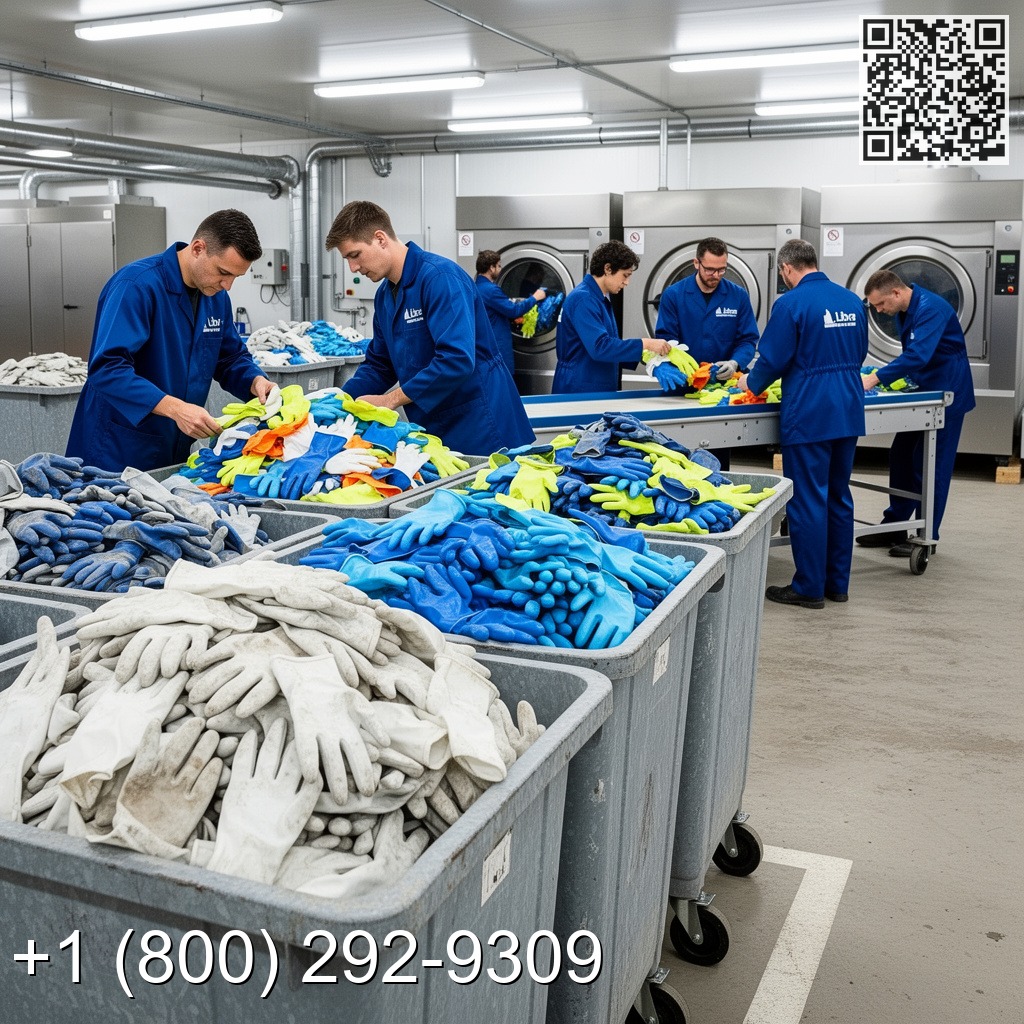
Several third-party solutions specialize in PPE gloves recycling, consisting of alternatives like Libra PPE Recycling. The worth is not simply the downstream processing yet the paperwork and chain-of-custody coverage. Auditors and customers request evidence. Select a partner that can provide weight tickets, material recovery prices, and certificates that line up with your field's compliance structure. Inquire to walk your flooring and critique your setup. The very best ones are blunt because they know what their balers and lines can handle.
Train to remove avoidable waste
No amount of signs will certainly make up for disregarding frontline training. A brief, hands-on session at the workstation beats a class lecture. Workers remember what they practice. Instruct the handwear cover elimination strategy that maintains the palm exterior from touching skin. Show when to alter handwear covers to avoid cross-contamination rather than punishing late modifications after the truth. If the procedure includes constant tool adjustments, stow away a couple of glove-compatible stylus pens or wipes at the terminal so employees are not yanking gloves on and off every 10 minutes.
When workers recognize why a glove adjustment is called for, they abide without whining, and you minimize both risk and waste. I have actually watched a solitary forgotten information - an alcohol sprayer placed at knee height - drive individuals to remove handwear covers to stay clear of drips on their sleeves. A simple bracket and a much better sprayer head got rid of that incentive.
Right-size supplies and storage
Over-ordering feels secure up until you start throwing away ran out handwear covers or boxes squashed at the end of a pile. Nitrile usually has a service life of three to 5 years if kept appropriately, however warm and moisture reduce that. Revolve supply monthly. Store away from direct sunshine and forklift battery billing terminals, where ozone and warmth break down elastomers. If your facility operates in a humid climate, consider secured containers for the working stock. Damp boxes equivalent sticky cuffs, after that tearing, then greater usage rates.
For sizing, lots of sites default to medium and big. That wastes gloves for both tiny and extra-large hands, who function around bad fit by double-gloving or pushing fingers as well far, emphasizing joints. Generate a number of size collections and run fast try-ons in the initial hour of a change. Mark the preferred size on the worker's badge or lineup. The fifteen-minute exercise repays in less torn cuffs and much better dexterity, which additionally decreases rework.
Clean where reuse is appropriate, and show it's clean
Reusable gloves only count as lasting if they go back to service without adding danger. A glove cleaning procedure should be as explicit as a device calibration. Define the cleansing chemistry, dwell time, rinse, drying method, and inspection requirements. Air drying on open racks near grinding dust is an invitation to grit embedded in palms and a spike in product defects.
For high-risk areas, utilize objective verification. ATP swabs, particle counts, or residue tests are not just laboratory toys. You do not require to check every glove, just a sample by set and change. Tape-record outcomes. If the failure price spikes, you have data to readjust procedure actions. If you can not support that degree of recognition, maintain reusables out of that area and concentrate on enhancing non reusable handwear cover effectiveness and recycling.
Segregate streams with compassion for workflow
A perfect bin system theoretically falls short when placed where individuals can not reach it without breaking rhythm. Put reusing containers at natural time out points: end of a set, leave of a cleanroom, or next to a handwash sink. Color and form both assistance. Square for solid waste, round for liquids, tall and slim for handwear covers just. The "handwear covers only" container must have a throat sized so that only gloves fit, not coffee cups. And the lid needs to dissuade digging. No one intends to reach right into a blended bin.
Empty timetables issue. If containers overflow in the very first hour of 3rd shift, contamination climbs up. Ask teams which times feel tight, after that shift collection paths by thirty minutes. That tiny functional modification usually doubles your clean stream.
Use data to choose the right reduction levers
You will certainly hear several insurance claims regarding naturally degradable handwear covers, compostable fibers, or smart additives that accelerate breakdown. Some innovations have promise, specifically in controlled composting environments, however a lot of industrial and medical waste does not end up there. Garbage dump problems differ, and numerous additives do little bit under low oxygen and reduced dampness. Be wary of distributor claims that audio global. Ask for third-party screening and real-world disposal support that matches your waste streams.
The most reputable reduction levers I have seen are functional:
- Fit optimization: dialing in dimensions lowers rips and double-gloving with no modification in brand. Point-of-use positioning: putting dispensers at the specific reach distance employees prefer lowers mid-task changes. Task redesign: incorporating 2 micro-steps can eliminate one handwear cover adjustment per cycle in some processes.
Pick a few and measure. Then transfer to the next set.
Safety first, after that sustainability
If you ever deal with a compromise, select worker security. Ecological responsibility is a system trouble, not a single handwear cover decision. If the best handwear cover for a provided chemical doubles your waste weight, manage the waste well and work with upstream elimination of direct exposure. Never expand handwear cover life past approved restrictions for minimizing waste. And never ever push employees to extend adjustment periods without verifying that contamination risks are still controlled.
This principle likewise applies to reusing. Any type of handwear cover contaminated with managed biohazard, heavy metal exposure, or certain solvents does not belong in a general recycling stream. Develop your program around the qualified share of your use, not a covering promise.
Bring financing into the conversation early
Budgets stay in numbers, not cardboard feel. A basic ROI calculator can aid reveal that much better glove choices and PPE gloves recycling will not just elevate unit costs. Construct your calculator with the chauffeurs you actually control:
- Purchase cost per handwear cover by dimension and type Average gloves used per employee per shift before and after interventions Rework or discard prices linked to glove failures Waste carrying expense per pound for basic waste versus tidy recyclable stream Any rebates or avoided costs from programs like Libra PPE Recycling
Even a rough model will shift the discussion. I have seen a plant stop at a 12 percent higher device price until the calculator revealed a 20 to 25 percent decrease in operation per shift because of much better fit and a stronger cuff. Include stayed clear of landfill costs from set apart clean gloves, and the payback dropped under 2 months.
Finance partners also appreciate threat decrease. A food producer that decreases cross-contamination occurrences trims recall exposure. That advantage does not show up in PPE spending plans, yet it is genuine. Catch it.
Document what matters, not everything
You do not require a forty-page PPE guidebook that no one checks out. Create a lean playbook: 2 pages per area with images of appropriate donning and doffing, bin areas, qualified handwear covers for recycling, and a contact when bins are contaminated. Keep the digital version short and . Update it quarterly with actual findings: a persisting tear point, a glove style that saved time on a terminal, or a modification in recycling requirements.
Auditors react well to clear, existing files and proof on the flooring that matches them. Certificates from reusing companions, weight records, and supply turning logs show control. Avoid lingo. Show the flow.
Engage distributors as companions, not vending machines
The best handwear cover vendors have technological people who have seen dozens of operations like yours. Welcome them to observe a change after you establish the guideline and security protocols. Ask for two or three improvement concepts, not a brochure dump. Demand samples and a test strategy with defined success metrics: less adjustments per hour, fewer pinholes after 3 hours in oil, much better responsive feeling with tiny fasteners.
On the recycling side, ask companies like Libra PPE Recycling to share their contamination limits, packaging overview, and instances from similar facilities. Select partners that can integrate with your EHS coverage and offer regular pick-up with backup options throughout spikes or closures. If they stop at a site visit, keep looking.
Measure outcomes that affect behavior
Track the metrics that shift day-to-day decisions. A lengthy listing of indicators conceals the signal. The complying with core collection tends to function throughout markets:
- Glove use per unit of result or per labor hour, fractional by zone Contamination incidents connected to glove failure or inappropriate handling Share of handwear covers captured in the tidy recycling stream versus eligible volume Waste hauling prices for general waste and recyclables Training conclusion and observed conformity with donning/doffing protocols
Publish these numbers in a basic graphic near the moment clock or electronic dashboard. Commemorate when a team decreases very early discards by a purposeful percent, not just when you struck a quarterly target. Little wins keep momentum.
Plan for exemptions and side cases
Every procedure has weird days: upkeep shutdowns, line conversions, audits, and seasonal temps. Develop the PPE plan for those, not simply stable state. For shutdowns, where even more solvents and particulates remain in play, established a short-term waste zone with clear signage and foreman checks. For temps, problem a one-page handwear cover overview during onboarding with images. For auditors, maintain an all set set with documentation and example recycling bags that reveal the classifying your companion expects.
Emergencies deserve their own policy: suspension of reusing when contamination danger climbs. Codify who makes the phone call and just how you reboot. Consistency defeats improvised decisions under pressure.
Technology that aids without adding friction
A few tools reliably simplify monitoring:
- Barcode or QR code tracking on glove cases to log shipment, zone project, and rotation days. A phone check is enough. Lightweight comments kinds in your EHS application where employees can flag tearing, poor fit, or dispenser concerns, tagged to terminal and shift. Simple scales for videotaping container weights by route, linked to your ROI calculator. A shower room range in a pinch is far better than guessing.
Avoid complicated IoT dispensers unless you have a clear factor and the transmission capacity to keep them. You require signal, not gadgetry.
Communicate the "why" in plain language
People wear handwear covers to protect themselves and the item. Reusing and waste decrease assistance that objective when they are mounted appropriately. Connection improvements to what workers really feel: less sweat build-up, far better grip, less re-dons, cleaner terminals. Use actual numbers from your floor: "We maintained 480 extra pounds of tidy nitrile out of garbage dump last month, which saved 2 carrying trips and paid for the better-fit dimensions you requested for." Genuine wins construct trust.
A practical checklist you can use this quarter
- Confirm your baseline: real usage per zone, discard reasons, and waste stream observations over 4 to six weeks. Standardize products and dimensions where useful, and installed end-of-life handling in your specs. Pilot a tidy handwear cover reusing stream in one secure area with a partner such as Libra PPE Recycling, and validate contamination prices over 90 percent clean. Tighten training at the workstation degree with short trials for wearing, doffing, and cross-contamination avoidance. Paper with images, not slides. Build a straightforward ROI calculator tied to purchase price, usage per shift, waste prices, and recycling credit reports. Evaluation with finance monthly.
Where to objective after the initial cycle
Once the fundamentals function, push on continuous renovation. Discover job redesign to lower unnecessary glove modifications. Evaluate reusable choices for non-sterile, non-reactive tasks where you can confirm handwear cover cleansing high quality. Take into consideration vendor-managed stock to decrease overstock and expiry. Test option handwear cover solutions in warm areas where convenience drives very early discards. And maintain your recycling companion close as you expand areas. They will inform you when a stream is tidy sufficient to range or when you need to slow down.
Sustainability is not a separate job. It is a series of style choices concerning exactly how PPE enters, aids, and departures your process. When you fit those decisions to your genuine job, the outcomes look a great deal like far better safety, smoother changes, and fewer dumpsters full of hardly utilized gloves. That is environmental obligation you can defend with data and show with a go through your floor.
Libra Industries Inc
1435 N Blackstone St, Jackson, MI 49202
+15177875675
| Place ID | ChIJt_HMH44vPYgRNbiD22DpHYo |
| CID | 9952367353767639093 |
| Business Profile ID | 6301257705288912858 |
7H9Q+2G Jackson, Michigan
| Coordinates | 42.26760060, -84.41112540 |
 Ask ChatGPT
 Ask Grok
 Ask Perplexity
 Ask Claude
 Ask Google AI
 Ask You